The Village Museum is an outdoor visit within Bucharest, not a village outside the city that automatically needs a rental car. The practical question is how to reach the right entrance, spend time on foot and continue your day without an awkward parking or airport deadline. Its winter gate schedules make that question more specific: a route ending at the park side can work on one day and leave an unnecessary walk on another. This guide helps you decide whether to drive, where to direct your arrival and which parts of the visit need checking separately.
Identify the museum, not just a park or a village
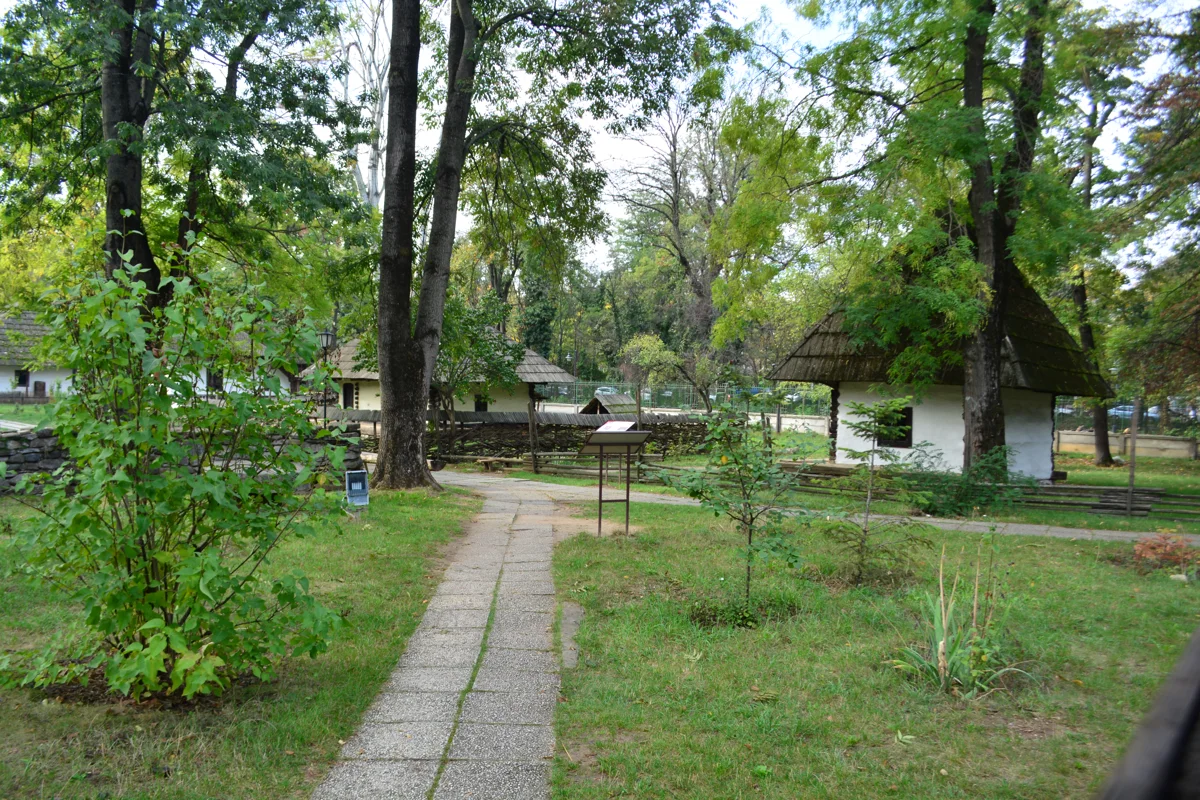
Save Muzeul National al Satului Dimitrie Gusti as the attraction. It is the open-air Village Museum beside King Michael I Park in northern Bucharest. Do not confuse it with a generic village tour or a different ethnographic collection. The museum's arrival information identifies the Kiseleff address; use the institution's own directions when a map returns several similar labels.
Keep three pins separate: the museum entrance you intend to use, a lawful place to leave the car and the next destination. A large attraction label can sit inside its grounds rather than at a public gate. Likewise, a road passing close to the collection does not necessarily have an entrance. Choose the gate first and inspect the walking connection from parking, rather than selecting the nearest apparent patch of road.
For an organised pickup, give the driver the actual meeting point, not only the museum name. If companions arrive separately, agree which entrance and which side of the road. Keep that information available offline. This is especially useful when one person travels by taxi while another brings the rental, because the easiest drop-off and the eventual parking place may be different.
Use the winter gate schedule, not a single opening-hours label
The museum's winter poster, checked on 2 November 2026, lists the Kiseleff 28 and 30 entrances daily from 09:00 to 17:00. The Miorita and Transilvania gates on the park side are listed for Saturday and Sunday only, also 09:00–17:00. The poster says the last ticket is sold sixty minutes before closing. Recheck the current notice for your date and any exceptional closure.
That distinction changes a weekday walking route. Do not assume you can enter from the park simply because the museum itself is open. If navigation suggests a park-side approach, compare it with an operating Kiseleff gate before setting off. A closed side entrance is not proof that the whole museum is closed, but it can consume time you intended to spend inside.
Treat the ticket cutoff as a latest admission condition, not a recommended arrival time. Arriving shortly before it leaves less room for choosing a route, reading interpretation and walking back. Decide what you want to see and work backwards from departure. Someone planning a careful visit with children or a slower walker will need a different margin from someone making a brief exterior-focused stop.
Choose the day for the experience you want
The official ticket page says many monuments are closed on Mondays and Tuesdays and a reduced admission rate applies. It also distinguishes an ordinary visit, which does not require an appointment, from requested guiding. Tickets allow one entry. Check the current inclusions before paying, particularly if entering historic buildings rather than seeing the outdoor collection is your main reason to come.
A lower-price day is not automatically better value. If you are interested in interiors, ask which buildings will be open and choose a suitable date. If you want an introduction to regional architecture outdoors, a different pattern may work. The decision is about the experience, not collecting the cheapest ticket. Avoid promising everyone a particular room based on a photograph taken during a previous season.
For guiding, contact the museum before building transport around a session. Confirm the language, start location, group size, duration and charge directly. A general admission ticket does not establish a guide booking, and a tour sold by another business may have separate inclusions. Keep the confirmation with your itinerary and make sure the driver knows whether the meeting is at a gate or somewhere inside.
Decide whether the car earns its place in this outing
A rental may be convenient when this is one stop during a wider journey, your accommodation is outside the centre or the group needs a particular vehicle arrangement. It is less obviously useful if the entire day stays within the city and your hotel already has a practical transport connection. Compare the complete outing, including collection and parking, rather than assuming every attraction visit should be driven.
If you already have the car for a Romanian road trip, using it here still has a cost in time and attention. Consider whether leaving it at your authorised hotel parking and taking another service makes the day simpler. That choice does not waste the rental: it can be sensible to use different transport for different parts of the same holiday. Check any hotel parking restriction before leaving it for the day.
For visitors arriving at OTP, the airport-to-city-centre comparison explains the separate decision of when to collect a car. Reaching Bucharest by train or transfer and renting later may suit a city-first itinerary. Conversely, an already-confirmed rental can support an onward trip. Neither arrangement should be chosen solely because the museum appears near your route on a small map.
Separate lawful parking from the admission ticket
This guide does not promise a museum parking space, a free roadside bay or a parking charge included with admission. Before travel, identify a current authorised option and verify its entrance, operating hours and payment conditions. If you need accessible parking or a passenger drop-off, ask about those arrangements explicitly. A nearby marked space is not necessarily available to every vehicle or for an unlimited stay.
Read signs where you actually stop. Check the registration entered into any payment system and retain proof of payment until the journey is complete. Do not substitute a rate from an old travel article for the terms displayed at that location. The Bucharest driving and parking guide covers the wider city context; the final bay's current restrictions still control your own visit.
Make the walk back part of the plan. Save the parking location, note any closing time and agree which member of the group carries the key. If you leave through a different museum gate, do not automatically follow the shortest-looking route back across roads or restricted grounds. Use the permitted pedestrian route, even when that means allowing more time than the map's straight-line distance suggests.
Plan the outdoor visit for the people travelling
Look at the museum map together and choose a small set of interests rather than promising to see every building. One person may want traditional construction details, another household objects and another a relaxed outdoor walk. Agree an initial route and a point at which you will reassess energy and weather. A shorter visit that everyone can enjoy is preferable to completing a long circuit merely because it was written down.
Ask the museum specific access questions if anyone has limited mobility: distance from the chosen gate, path surfaces, steps into buildings, resting places and accessible facilities. A level entrance does not establish access to every historic house. Describe the actual equipment and assistance needed. Avoid relying on the broad word accessible without clarifying which part of the visit it refers to.
Dress for time outdoors rather than for a warm indoor gallery. Check the day's forecast, choose suitable footwear and have a plan for shortening the visit if conditions deteriorate. The car can hold spare layers, but leaving essential clothing there may require an inconvenient return. Take what the group needs for the planned walking time without carrying every item from the luggage.
Keep children, food and breaks in the timetable
For a family visit, choose a few things to look for together, such as differences between roofs, gates or household layouts. Let the collection supply the interest rather than turning the outing into a race between pins. Respect barriers and staff instructions; an open-air setting does not make historic objects playground equipment. Agree where the group meets if anyone stops to read while others continue.
Confirm food and facility arrangements before depending on them. A museum opening time does not establish that a particular restaurant, kiosk or service is operating throughout the same hours. If dietary requirements or regular breaks matter, plan those deliberately. Bring appropriate essentials while following the venue's current rules, and ask staff where eating is permitted rather than assuming every outdoor bench is suitable.
Remember the single-entry condition when arranging a meal outside. Before leaving, decide whether the museum visit is finished and ask about any exception you genuinely need. Do not promise a return through another gate on the same ticket. It can be simpler to eat before admission or after completing the visit, with a flexible break inside where allowed.
Add one compatible stop without moving the car repeatedly
The surrounding park can be a separate part of the day, subject to its current access and the group's energy. Distinguish the museum's ticketed collection from a general park walk. Being beside the museum does not mean every path leads to an open museum gate. If you intend to continue on foot, confirm the exit and the route back to the vehicle before leaving the collection.
For a wider Bucharest stay, compare this urban heritage visit with an out-of-centre destination on another day. The Mogosoaia Palace driving guide describes a different outing, while Therme Bucharest by car involves a different type of visit and time commitment. Their presence in your itinerary is not a reason to compress all three into one rushed sequence.
Repeatedly parking and collecting the car can consume the flexibility you rented it for. Group nearby walking activities together when practical, and keep a clear end time for the main attraction. If a second destination requires a reservation, compare the real transition with that appointment before booking. It is easier to leave a spare option unbooked than to make everyone hurry to protect two incompatible commitments.
Treat an airport-day visit as optional
After a flight, the important unknown is when you actually leave the terminal with luggage and complete any handover. A scheduled landing is not a museum departure time. If you feel tired, have delayed bags or still need to resolve the rental, go to the accommodation first. The museum can be moved; a rushed first drive and shortened inspection are poor ways to rescue an optimistic itinerary.
Before a flight, work backwards from the airline's required terminal arrival, then allow for the agreed rental return, inspection, fuel arrangement and any shuttle. Do not end the museum visit at the moment you hoped to start the car return. An off-airport handover and an OTP terminal entrance are different destinations. Keep both addresses and the supplier's verified contact available.
Luggage also changes the decision. Do not assume the museum offers storage for all suitcases or that leaving valuables in a parked car is an acceptable substitute. Ask your accommodation or a verified storage provider about an arrangement that fits your schedule. If luggage cannot be handled sensibly, choose a museum day without it rather than building the visit around an unconfirmed service.
Book only the rental days and services you need
Compare Romania rental cars for the actual driving portion of the trip. Check passenger and luggage capacity, transmission, accepted payment and the collection and return locations. A no-deposit option, where available for your dates, does not make parking free or remove the need to follow the agreement. Read the selected offer and Romania rental conditions before paying.
For this visit, keep a simple budget with separate lines for transport, parking, museum admission and any confirmed guiding or meal. This makes a car-versus-transfer comparison useful without inventing a universal cheapest option. Use current quotes for the same group and date. The practical result should be a relaxed arrival at an operating gate, enough time on foot and a clear route to whatever comes next.
Questions & answers
Do I need a rental car just to visit the Village Museum?
Not necessarily. Compare your accommodation's transport options with the whole driving and parking process. A rental can fit a broader road trip without being necessary for this individual city visit.
Does a museum ticket include parking?
Do not assume so. Verify an authorised parking option and its current conditions separately from admission.
Is a gate shown on a map always open?
No. Check the museum's dated entrance schedule and any exceptions before choosing your final approach.
Can I combine the visit with a flight?
Only when the real timing, luggage and rental handover arrangements leave a comfortable margin. Keep the attraction optional if any of those details remain uncertain.