A useful Bucharest rental plan begins with where the car will stay when you are not driving. Vrenty Car recommends matching the rental period to your actual journeys, confirming accommodation parking and reading the signs at each space. For trips beyond the city, add road-charge and route checks before leaving. This guide focuses on practical decisions rather than a promise that parking or traffic will be easy.
Decide whether you need a car during the city stay
If most of your plans are close to central accommodation, compare keeping a car with collecting one only for the days outside Bucharest. Include the price of unused rental days, overnight parking and the time spent finding spaces. The alternative also has costs, such as airport transport and a later collection, so compare complete plans rather than one fare or daily rate.
A car may be useful throughout a stay when you have several destinations outside the centre, family visits or equipment that is awkward to carry. In that case, choose accommodation with a clear parking arrangement and plan trips in groups. Several errands made on one outing can be more convenient than repeatedly entering and leaving a busy central area.
Once you know the useful driving days, compare Bucharest car rental with matching collection and return times. The best arrangement is the one that supports your itinerary and parking plan, not necessarily the one that starts as soon as your plane lands.
Ask accommodation providers about actual vehicle access
Request the entrance a driver should use, not just the postal address. A reception desk can face a pedestrian street while vehicle access is elsewhere. Ask whether there is a gate, access code, height restriction or a particular arrival procedure. Save those instructions before driving into the neighbourhood.
Clarify what parking included means. It may refer to a reserved space, access subject to availability or a nearby public option. Ask whether a space is held for your dates, whether there is a separate charge and whether you can leave and return without losing it. Those details are especially important for late arrival or a larger vehicle.
If the accommodation cannot guarantee parking, choose an alternative in advance and consider the walk with luggage. Check opening and overnight access for a garage, along with any size restrictions. A space that is convenient for daytime sightseeing may not be accessible when you need an early departure.
Read the exact parking space, not the street as a whole
Before leaving the car, identify the operator and read the sign applying to the bay or parking area. Look for restrictions, operating periods, payment instructions and any reserved use. The presence of other vehicles does not establish that your space is legal, available to visitors or covered by the same payment arrangement.
Public municipal parking, district arrangements, residential spaces and private car parks should not be treated as interchangeable. A colour or familiar application can be a clue, but the actual sign and operator information are the useful reference. If the conditions are unclear, choose a space whose rules you can understand rather than guessing.
Take particular care around driveways, pedestrian access and loading areas. Do not stop in a prohibited place while a passenger searches for payment instructions. Find a legal place to assess the situation. A short stay still needs to comply with the restrictions applying to that location.
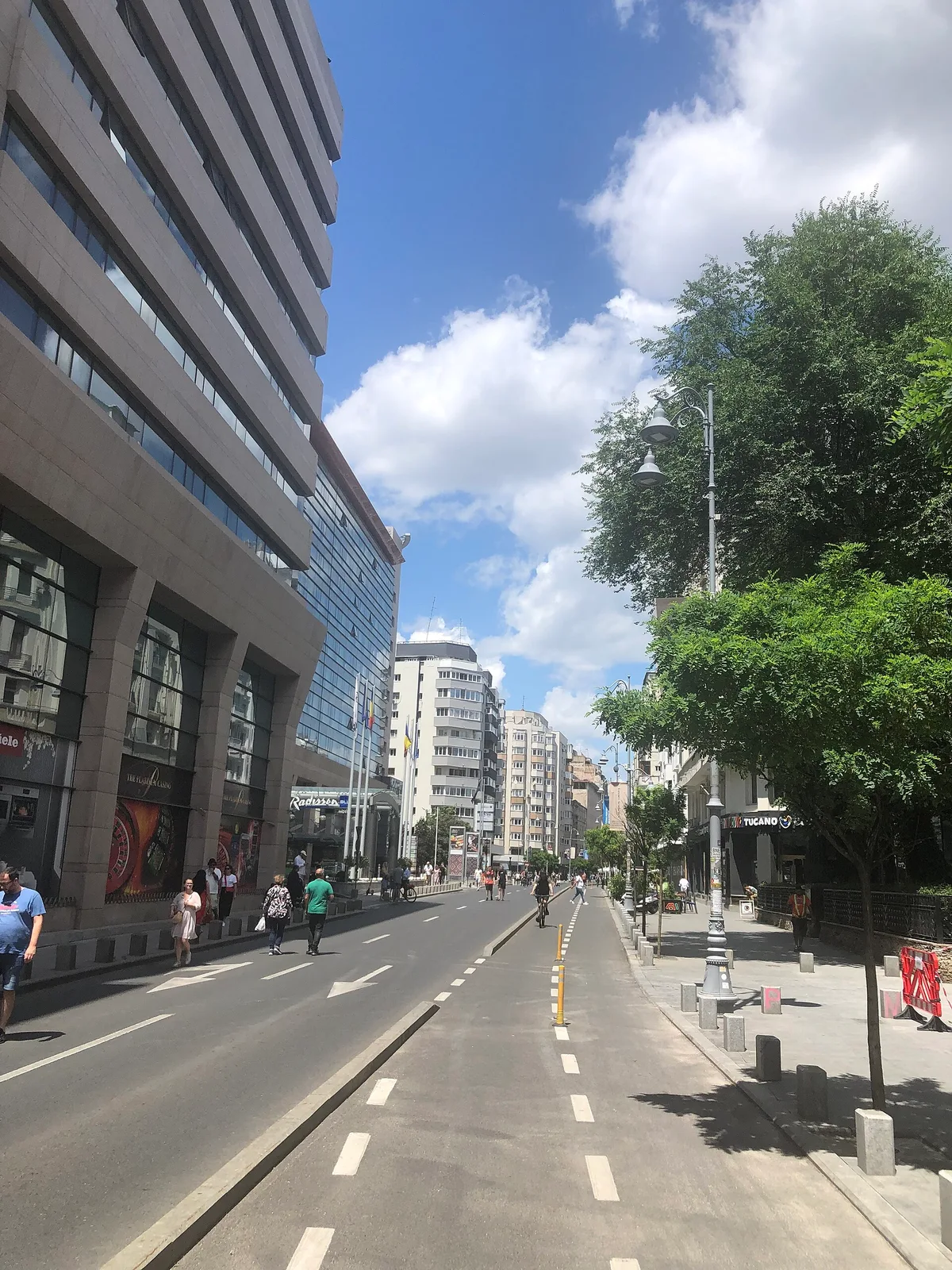
Pay through the correct operator and verify confirmation
For CMPB-managed parking, use the municipal operator's current information and the instructions at the space. Other parking operators may use different systems. Check that any website or application corresponds to the actual operator before entering payment details, and avoid assuming a saved payment method covers every car park in the city.
Enter the rental registration carefully and check the duration, location and confirmation. A mistyped plate can leave you with a receipt that does not describe the parked vehicle. If a payment fails or no confirmation arrives, use another authorised method or move to a place where you can complete payment; sending a request is not the same as receiving confirmation.
For SMS payment, verify that your mobile service supports the relevant short number and that a successful response has arrived. International or roaming service may need checking with your provider. Keep the receipt or confirmation until the rental is finished, especially if you later need to explain a parking charge.
Set a reminder before the paid period ends if your visit might run longer. Check whether an extension is permitted for that space and complete it through the correct operator. Do not assume buying more time can override a maximum stay or a restriction that begins later in the day.
| Before walking away | What to verify |
|---|---|
| Permission | The space is available to your vehicle and is not reserved or restricted |
| Operator | The sign and payment service describe the same parking area |
| Registration | The plate entered matches the rental car exactly |
| Duration | The paid period covers the stay and any return delay |
| Evidence | A successful payment confirmation is saved |
Choose a car you can position confidently
Exterior size matters when manoeuvring into a garage or along a street with parked vehicles. Choose enough space for passengers and bags without paying for a larger car you do not need. Check the accommodation's height and width restrictions if you are considering a tall vehicle or carrying equipment. A category label does not provide exact dimensions.
At collection, familiarise yourself with mirrors, lights, wipers and the parking brake. If sensors or cameras are fitted, test how they behave in a safe place and continue checking your surroundings directly. Ask about any control you do not recognise before leaving. A familiar transmission can reduce workload during slow traffic and repeated manoeuvres.
Keep luggage from blocking visibility and do not leave valuables visible when parked. Photograph the vehicle's existing condition at collection, including wheels and bumpers. Parking is one reason clear before-and-after records are useful, regardless of the deposit amount or protection package chosen.
Use navigation without letting it make driving decisions
Set the destination while parked and use a hands-free arrangement. Check the final approach before entering a complicated area, especially when the destination is close to a pedestrian zone or controlled entrance. A map route is not permission to ignore a sign, barrier or instruction from an authorised person.
If you miss a turn, continue safely and let the route recalculate. Avoid sudden lane changes or stopping where other traffic cannot pass. A passenger can help read directions, but the driver should make the final decision according to road conditions. Stop legally if you need to read a longer message or change several route settings.
Allow extra time for the first journeys while you learn the car and the road layout. Keep the first destination simple after a flight. The Otopeni pickup guide explains how to prepare the vehicle and route before leaving the collection location.

Check current Romanian driving requirements
Use the official EU Romania road-rules page and current Romanian authority information for legal requirements. Follow posted limits and restrictions for the road and vehicle. A general guide cannot account for temporary works, local signage or every driver's circumstances, so do not rely on an old list of numeric limits.
Wear seat belts and arrange a suitable child restraint under the applicable rules. Keep phone use hands free and avoid any interaction that distracts from driving. Plan not to drink alcohol when driving; the official Romania information reports a zero alcohol limit. Being close to accommodation is not a reason to relax that plan.
Check seasonal equipment before leaving the city for colder conditions. Winter tyres are required on snowy and icy roads according to the official guidance. Ask the supplier what is fitted and what equipment is relevant for your route, then reconsider the trip if conditions exceed your experience.
Confirm rovinieta coverage before national-road travel
The rovinieta is an electronic road-use entitlement associated with the vehicle, not a sticker you should assume must be displayed in the windscreen. Ask the supplier whether the necessary coverage is included and valid for the car and your rental dates. Keep that confirmation with the agreement before a trip beyond the city.
Use the official CNAIR portal for current verification and road-charge information. Check the registration and relevant validity details carefully when the supplier provides them. Do not buy a duplicate simply because the rental agreement uses unfamiliar wording, and do not infer coverage from the fact that the car has Romanian registration plates.
Some journeys can involve charges or permissions separate from the general road-use entitlement. Check the actual route and contract rather than treating rovinieta confirmation as permission for every road, bridge or foreign country. If you extend the rental, ask whether its road-charge arrangements also cover the additional dates.
Leave the city with a realistic road-trip plan
For a Bucharest to Brasov drive, add traffic, breaks and destination parking to the route estimate. The city departure is only the first part of the journey. Plan a comfortable arrival window and avoid adding several fixed attraction times to the same day unless each has sufficient room around it.
For Sinaia and Peles by car, check museum notices before setting the road schedule. For a Therme visit, think about the return driver's fitness and the time needed to leave the venue. These trips use a car in different ways and should not share a single generic departure-day template.
Check fuel or charging, mileage allowance and assistance arrangements for the planned distance. Keep supplier contact details available offline. If the trip changes, review permitted use and any relevant approval rather than assuming the original booking covers a new country or a substantially different type of road.
Handle a parking or vehicle problem with records
If you find a parking notice, photograph the notice and surrounding signs, save the payment evidence and identify the issuing operator. Read the stated process and deadlines without assuming that a rental company's administration fee replaces the underlying matter. Ask the supplier how notices are handled under your agreement and keep communication factual.
If the car has been moved or is missing, first verify the location and contact the appropriate authority or operator through official channels, then notify the supplier. If damage is involved, follow the supplier's reporting process. Do not arrange repairs or make assumptions about liability before understanding what documentation is required.
For a disputed charge, organise the chronology: where the car was, what sign applied, what payment was made and what message you received. A clear record gives the relevant organisation something specific to assess. This guide does not promise a particular outcome or replace the process stated on an official notice.
End the rental without a final parking problem
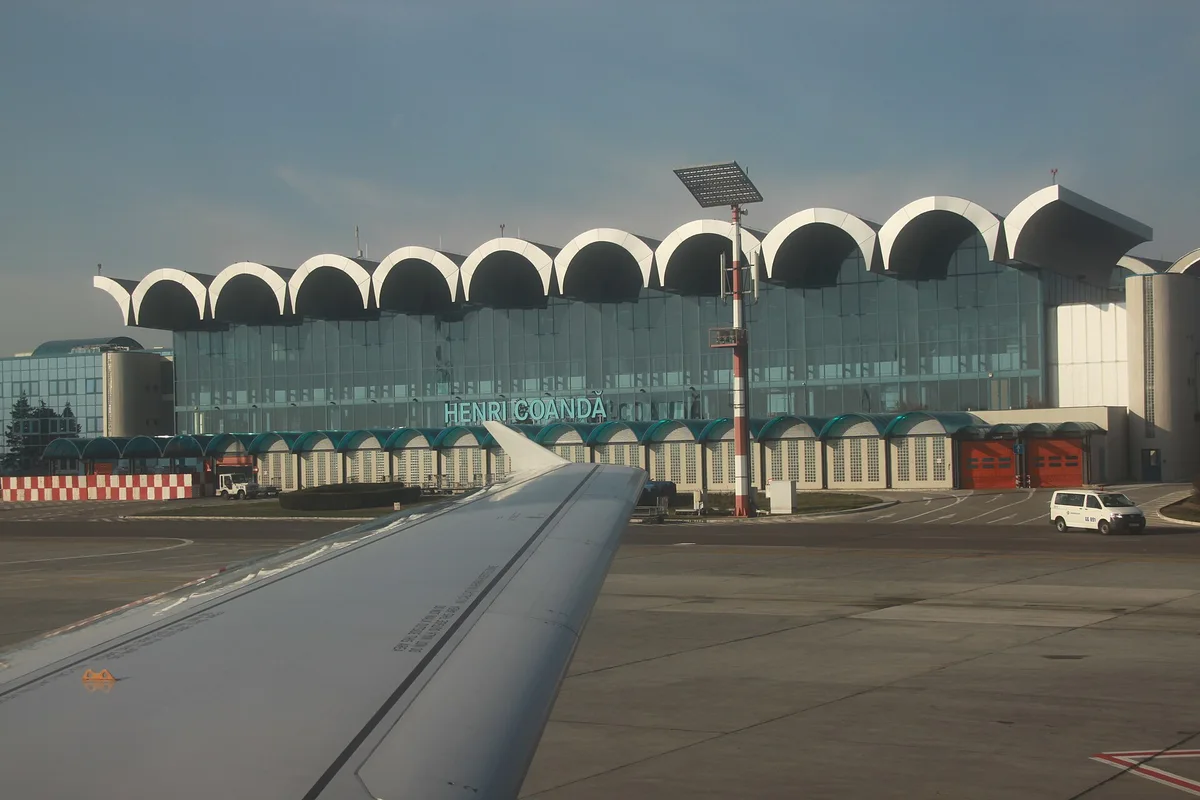
Confirm the return entrance and whether the handover uses a staffed location, a meeting or an agreed unattended procedure. Do not leave the car in an ordinary airport or street parking space just because it is near the supplier. The agreed return location and key procedure determine how the vehicle is handed back.
After unloading, remove personal items, clear phone pairing and check the cabin and boot. Photograph the condition and fuel or battery level at the return point, then retain the closure record. If you keep the car for a final night in Bucharest, arrange that night's parking before the road trip rather than after a long return drive.
- 1. Choose rental dates around the journeys for which the car is useful.
- 2. Confirm accommodation access and a realistic overnight parking option.
- 3. Read each parking sign and retain successful payment evidence.
- 4. Verify route conditions, relevant road charges and the final handover location.
Questions & answers
Is parking free in Bucharest?
Do not assume so. Conditions depend on the exact space and operator, including any reserved or restricted use. Read the signs, check the applicable payment method and retain confirmation before leaving the car.
Does one parking application cover the whole city?
Not necessarily. Confirm that the service you use applies to the operator and location where you have parked. A successful payment for another zone or registration is not evidence that the current stay is covered.
Is rovinieta included in every rental?
Ask the supplier to confirm the relevant coverage for the actual vehicle and dates. Do not infer it from registration nationality or a general website description. Use the official portal when checking current road-charge information.
Should I rent only when leaving Bucharest?
That can be sensible for a central stay with few driving needs. Compare rental and parking days with transfer and later collection costs. A car throughout the stay may fit better when you regularly travel beyond the centre.