A Bucharest to Brasov drive works best as a planned journey rather than a race through several attractions. Vrenty Car suggests choosing your overnight stop, checking parking and leaving room for traffic through the Prahova Valley. Match the car to passengers and luggage, confirm the rental conditions for your route and use current road information before leaving.
Use your exact accommodation address and confirmed collection point. Check current traffic, parking and access.
Choose a day trip or an overnight stay first
A day trip asks the driver to complete both directions around the visit itself. An overnight stay separates those journeys and gives you more choice about departure time. Decide which format suits the group before adding stops. Travelling with children, arriving after a flight or wanting an unhurried evening can make the overnight option more practical.
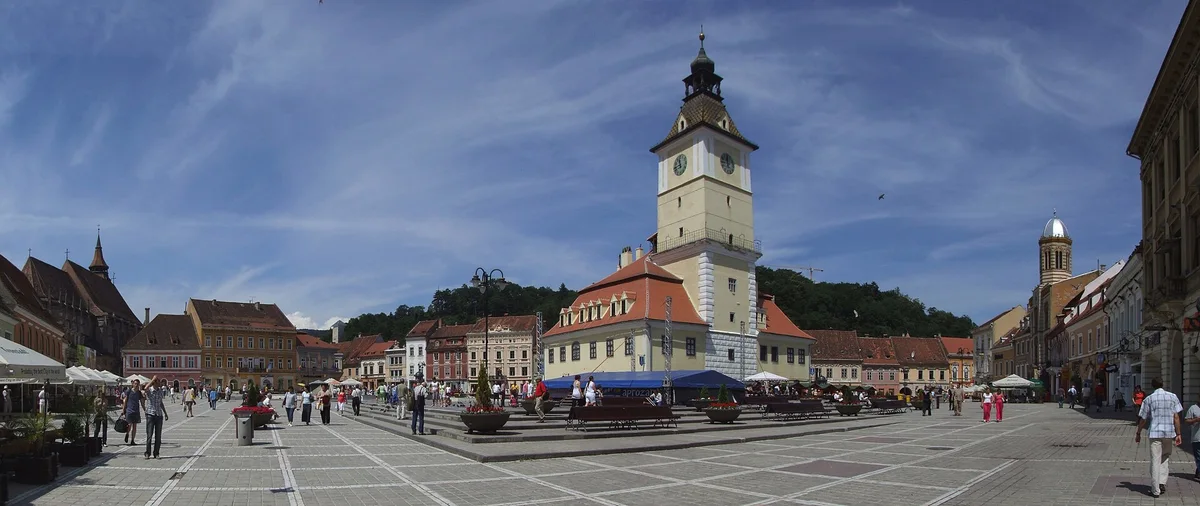
Treat Brasov as the main destination if that is why you are making the journey. Adding Sinaia, a palace visit and another major excursion to the same return day creates several independent deadlines. Each requires access, parking, walking and time on site. The result can become a day dominated by the car rather than the place you hoped to visit.
Use Bucharest car rental once the number of driving days is clear. Compare the extra rental day and accommodation with the convenience of a later return. A low daily rate is not useful if the return deadline forces the driver to hurry back after a long day.
Understand the route without promising a fixed arrival
The familiar route north connects Bucharest with the Ploiesti area and continues through the Prahova Valley towards Brasov. The exact distance depends on where you start, the chosen access roads and your final parking location. For initial budgeting, think in terms of a journey of roughly 170 kilometres each way, then replace that orientation figure with the route for your actual addresses.
Do not turn that distance into a guaranteed driving time. Romanian Police traffic reports document congestion on DN1 through the valley, and conditions can vary substantially with traffic, weather and incidents. Check the current estimate before departure and include time for breaks and the final approach to accommodation. A map estimate is a driving input, not a reservation promise.
Review the proposed route while stationary. If navigation suggests a large diversion, check why and whether it follows roads suitable for your car, weather and rental terms. A shorter estimate is not enough reason to take an unfamiliar mountain road without understanding the change.
Build the schedule from the arrival you want
Choose a comfortable arrival window rather than the latest possible time for hotel reception or an attraction. Work backwards through the final parking approach, a rest stop, the current road estimate and a contingency allowance. Keep lunch or a casual walk flexible so it can absorb a delay without affecting something that cannot move.
For a day trip, set a point at which you will shorten the visit or return. Agree this with the group before departure so that the driver is not asked to recover lost time on the road. If traffic consumes a large part of the morning, remove an optional stop instead of compressing every remaining activity.
A useful planning test is to imagine arriving an hour later than expected. Would you lose a prepaid visit, miss check-in or face a rushed rental return? If so, change the schedule before booking. This is a resilience check, not a prediction that a particular delay will occur.
| Plan | Best used when | Main timing concern |
|---|---|---|
| Brasov day trip | The group wants one focused visit and accepts a long driving day | Leaving enough energy and time for the return |
| One overnight stop | You want a relaxed arrival and separate driving days | Confirmed accommodation access and parking |
| Sinaia stop en route | The palace visit has its own realistic time allowance | Museum schedule, parking and onward traffic |
| Airport departure after the trip | You can allow a substantial independent return margin | Rental handover and airline check-in after the road journey |
Pick a car that remains comfortable when fully loaded
For ordinary paved-road travel, start with a car you can drive confidently and that holds everyone and their luggage. A compact model may suit two people travelling lightly; a family with several cases may need more boot space. Check capacity with all required seats in use, including child seats. A nominal seat count does not describe comfortable luggage storage.
An automatic can be useful if that is the transmission you normally drive, especially when progress becomes slow. Reserve it as an essential feature rather than assuming a substitute will have the same gearbox. For an electric vehicle, plan charging at accommodation and along the actual route, including access and payment, before deciding that its range fits the journey.
Do not choose an SUV solely because the itinerary includes mountains. Tyres, weather, permitted roads and the driver's judgement matter more than the category name. A larger car can also require more space in a city garage. Match the vehicle to the trip you will make, not to an imagined off-road shortcut.
Check mileage, road coverage and assistance
Calculate the full rental distance: the return journey, city collection or airport access, local driving and any planned detour. Compare it with the included mileage and how that allowance is measured. Ask about the extra-distance charge if your plan approaches the limit. An itinerary described as a short break can still accumulate significant mileage.
Ask the supplier to confirm the relevant rovinieta coverage for the car and rental dates before national-road travel. Use the official CNAIR portal when checking road-charge information, and avoid buying another entitlement before understanding what is already included. A valid entitlement for one period should not simply be assumed to cover an extended rental.
Keep the breakdown and accident instructions accessible offline. Ask what assistance covers on your planned route and whether there are restrictions on towing or repairs. If a warning light or tyre problem occurs, stop safely and follow the supplier's process rather than arranging unapproved work merely to keep the itinerary on schedule.
Prepare for changing conditions beyond the capital
Check the weather along the route and at the destination, not only in Bucharest. Conditions at higher elevations can require a different driving plan. Ask the supplier about the fitted tyres and any equipment relevant to the season. The EU's Romania road-safety page identifies winter tyres as required on snowy and icy roads; do not use the calendar alone to judge the need.
Leave more space when visibility or road grip deteriorates, and allow slower progress to change the day's plan. If conditions exceed your experience, postpone or shorten the journey. An extra rental day or a different transport arrangement should be discussed with the provider, but a deadline is not a reason to continue when driving is unsafe.
Keep water, suitable clothing and essential medication accessible rather than buried under luggage. A planned stop gives the driver a proper break and passengers a chance to reset. Fuel or charge before the remaining margin becomes small, especially when a delay could change where you expect to stop.
Make Sinaia an optional stop with its own plan
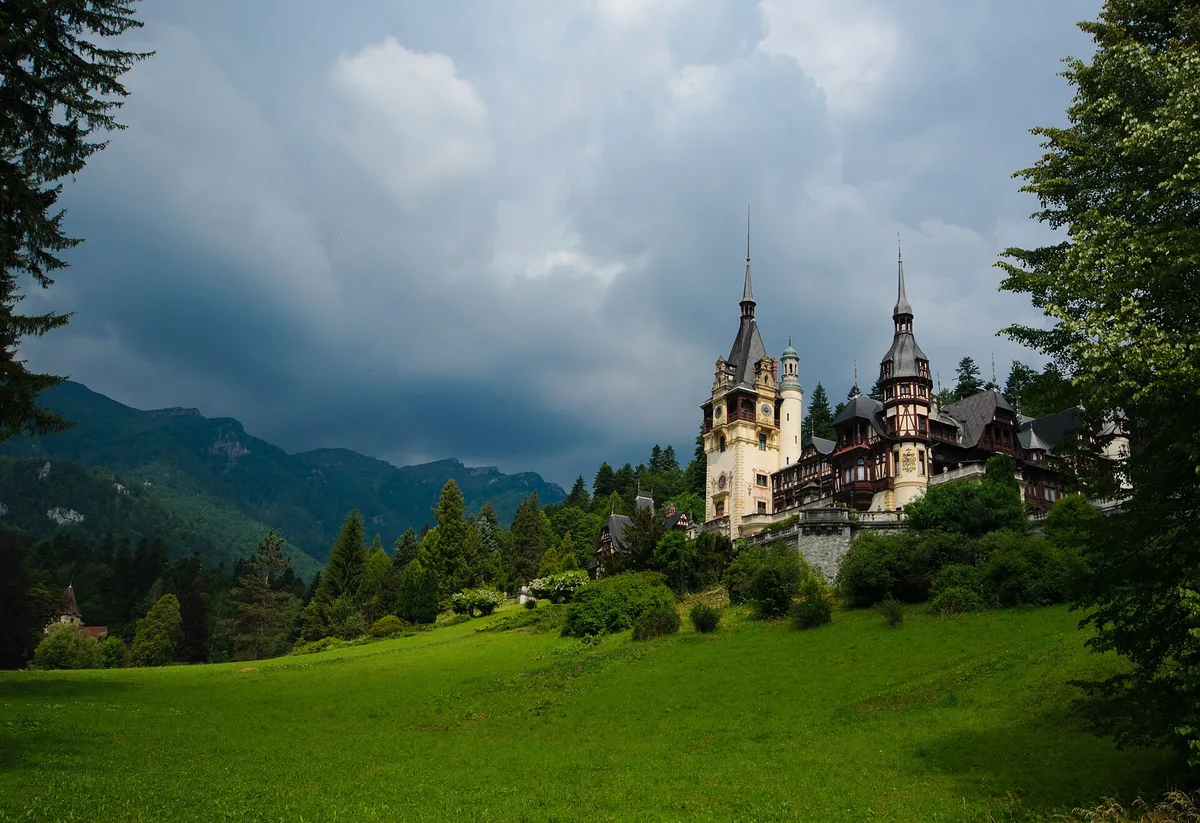
Sinaia lies on the broader valley journey, but visiting Peles is not equivalent to a brief roadside pause. You need to leave the main route, find legal parking, walk to the museum and fit the visit into the current opening and ticket arrangements. If you add it, allocate a real part of the day rather than a few spare minutes.
Read the Sinaia and Peles driving guide before buying tickets. Check the museum's official notices for the exact date, including closures, and make sure the chosen visit works with your onward accommodation arrival. A later drive to Brasov should remain manageable even if the museum visit takes longer than you expected.
If the road is slow or the driver is tired, continue to the overnight stop and leave Sinaia for another day. Having an optional stop means being willing to omit it. Do not keep every element of the original plan merely because it once fitted neatly on a map.
Choose a rest stop for easy legal access and the facilities your group needs, rather than stopping suddenly at an attractive roadside view. Keep children supervised around moving vehicles and take the break away from traffic. Before rejoining the route, check the remaining journey and agree whether the next stop is still useful. A proper pause should reduce the driver's workload, not introduce another rushed manoeuvre.
Arrange Brasov parking before entering the centre
Ask your accommodation for its vehicle entrance, parking availability and any access restrictions. A central street address may not describe the route a car should take. Confirm whether a space is reserved, paid separately or simply suggested nearby. If it is not guaranteed, identify an alternative before arrival and consider the walk with luggage.
At public parking, read the sign for the exact location, tariff, operating period and accepted payment. Do not assume residential spaces or a permit area are available because other cars are present. Check the registration entered in any payment system and retain the confirmation. Use current municipal information rather than an old screenshot of a tariff.
Once parked legally, consider leaving the car in place while exploring the central area. Repeated short drives can add navigation and parking work without improving the visit. If you need to return after an evening out, plan transport that does not require driving after alcohol.
Plan the return before the last morning
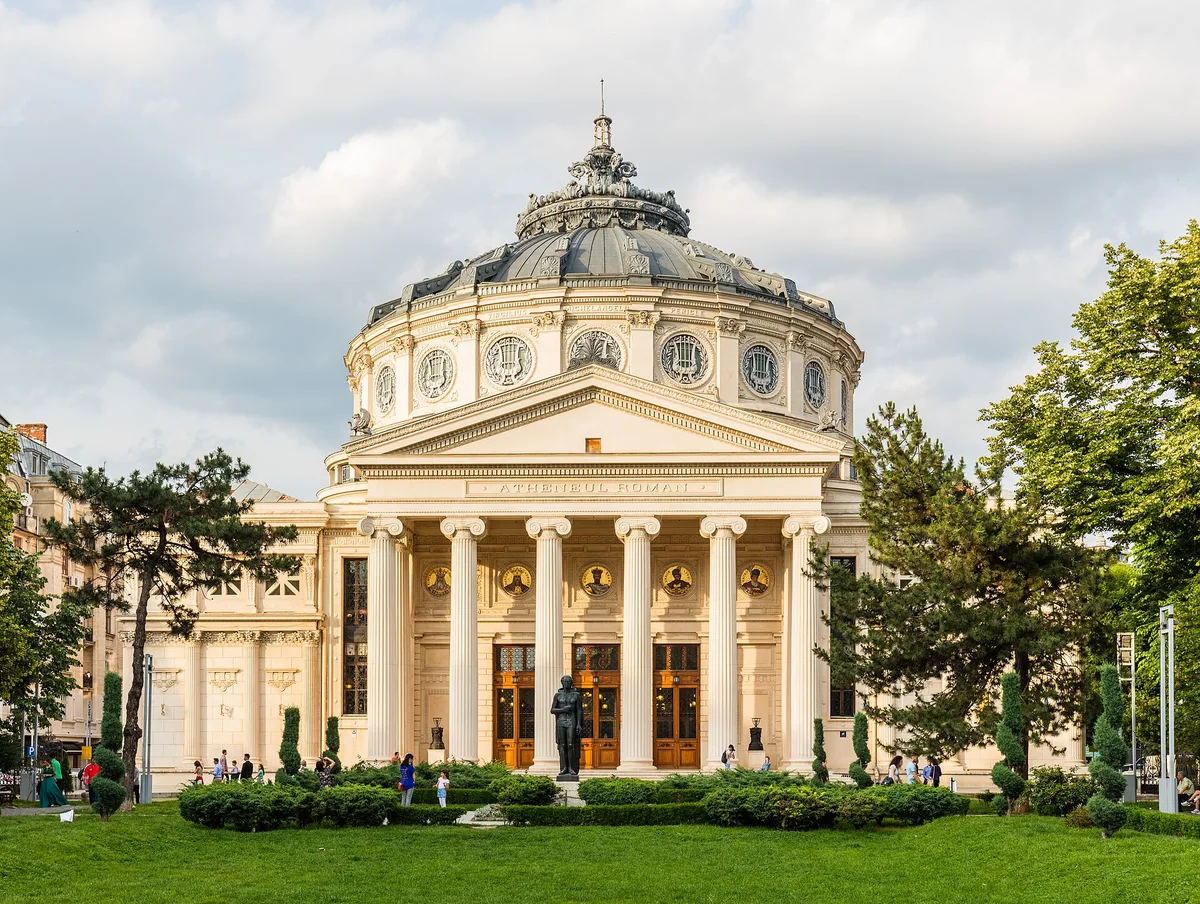
Check the rental return location and process while you still have time to change the schedule. A return in Bucharest or at an off-airport office adds a final approach, fuel stop and inspection after the intercity drive. If a shuttle follows, add that before the airline's required arrival time. The road journey is only one part of the departure sequence.
The Otopeni return guide explains how to work backwards from a flight. For an early departure, consider spending the previous night closer to the return point rather than linking a long drive directly to check-in. The suitability of that choice depends on your flight and accommodation, but it deserves consideration before reservations become fixed.
If traffic threatens the agreed rental time, contact the supplier from a safe stop or ask a passenger to do so. Get any extension or changed handover acknowledged. Sending a message does not by itself change the contract, and hurrying the final kilometres is not a useful solution.
Keep the trip budget realistic
Compare the rental total with fuel or charging, parking, any selected extras and accommodation. Keep the security deposit separate from permanent costs. If available funds are a concern, the deposit guide explains what to ask without assuming that a zero deposit means zero excess or no later responsibility.
A second authorised driver may make the trip more comfortable if both people meet the conditions and intend to share driving. Confirm the additional driver arrangement and fee in advance. Dividing the driving informally is not enough; the rental paperwork should reflect everyone who will use the car.
Vrenty Car's preferred planning principle for this route is simple: book the journey you can enjoy at a sensible pace. One well-planned destination, reliable parking and a flexible return can provide more value than a longer list of stops that depends on everything going perfectly.
- 1. Choose a day trip or overnight format and set the main destination.
- 2. Check the current route, weather and police traffic information.
- 3. Confirm mileage, relevant road-charge coverage and seasonal equipment.
- 4. Save accommodation access, parking and the rental return instructions.
Questions & answers
How far is Bucharest from Brasov by car?
Roughly 170 kilometres is a useful orientation figure, but your actual route depends on the collection point and destination. Check both addresses in navigation and include local driving and detours when assessing a rental mileage allowance.
How long should I allow for the drive?
Use the current route estimate and add breaks, traffic contingency and parking access. DN1 can experience congestion, so a fixed journey time is not reliable for every day. Avoid connecting the fastest estimate directly to a prepaid visit or flight.
Do I need an SUV for this trip?
Not simply because you are travelling to Brasov on ordinary paved roads. Choose suitable tyres, adequate luggage space and a familiar transmission. Weather, road restrictions and the rental agreement determine whether the planned route is appropriate.
Can I visit Peles and Brasov in one day?
It may be possible for some schedules, but each stop needs its own parking, walking and visit time. An overnight stay offers more flexibility. If the plan becomes rushed, choose one main destination or omit the optional palace stop.