Choose the train when your main plan is a stay in Brasov and you can manage the station transfers. Consider a rental car when the journey includes places away from stations, several bags or a genuinely useful series of stops. Neither option wins every itinerary. The important comparison is the complete journey between your accommodation addresses, including the days after arrival, rather than a train fare beside a daily rental headline. This guide helps you build that comparison without pretending that tomorrow's traffic, fares or availability are already known.
Start with the days in Brasov, not the journey north
Write down what you want to do after reaching Brasov. If the list consists of the historic centre, meals and time with friends, a parked rental may contribute very little. If it includes rural accommodation, separate countryside visits and an onward road trip, having a car could solve several transport problems. Count the trips where it actually helps instead of assuming that arriving by car makes it necessary for the whole stay.
Then look at your Bucharest days. Collecting a vehicle before two city days can add parking and handover work without improving those days. A later collection may be more suitable, provided the supplier confirms the location and time. Equally, a traveller already on a Romanian road trip should compare the additional cost of keeping the car with returning it early, transferring to a station and arranging another vehicle later.
Use the table as a starting shortlist, not a rule about who should drive. Your mobility needs, actual luggage and confirmed arrangements can outweigh a general preference. A car also needs an eligible, rested driver; having enough passengers to divide its cost does not establish that anyone should take on the journey.
| Your main plan | Option to price first | Question that could change it |
|---|---|---|
| Central Brasov stay, few bags | Train plus station transfers | Can everyone manage the last part of the journey? |
| Several planned countryside stops | Rental for the driving days | Are the access roads, parking and return approved? |
| Late flight followed by travel north | Overnight rest before either option | What remains realistic after a delayed arrival? |
| City stay followed by a road trip | Separate city and driving phases | Does later collection save more than it adds? |
Compare door-to-door time on equal terms
For rail, add the journey from your Bucharest address to Bucuresti Nord, a sensible station margin, the scheduled train journey and the transfer from Brasov station to your accommodation. Include the effort of moving bags between those stages. For driving, add reaching the agreed collection point, paperwork and inspection, the current road estimate, a break and the final parking approach. A car collected at an office is not ready at the instant you leave your hotel.
Use two versions of the calculation: an ordinary workable day and a disrupted day. Ask what happens if you miss the intended train, or if road congestion delays the car. Do not automatically assign the same delay to both. The point is to identify which plan leaves you with a reasonable alternative, especially when accommodation reception or an onward appointment has a firm deadline.
The existing Bucharest to Brasov driving guide covers the road itinerary and parking preparation. This comparison answers the earlier decision: whether you need that driving day at all. It does not provide a fixed journey duration or promise that one mode will always be quicker.
Check the actual train, not just the route name
CFR Calatori provides an official online journey search with departure and arrival stations, dates, service details and purchase options. Enter Bucuresti Nord and Brasov, then inspect the service that fits your day. Check whether a result is direct or involves a change, and review the complete price and passenger details before purchase. A screenshot from another date is not a reservation or evidence that the same seats remain available.
Keep the travel confirmation accessible without relying on reception at the station. Read the rules attached to the selected ticket for identification, changes and refunds. Other operators may have different purchase and change procedures; do not assume one operator's terms apply to another train merely because both serve the same corridor. Check the operator named on the result before following its instructions.
For substantial luggage, a bicycle or assistance needs, verify the particular service rather than treating all trains as interchangeable. Plan how you will handle the bags during boarding and at the destination. A cheap ticket is not a complete solution if a required service has not been confirmed. These checks should happen before coordinating a separate non-refundable transfer.
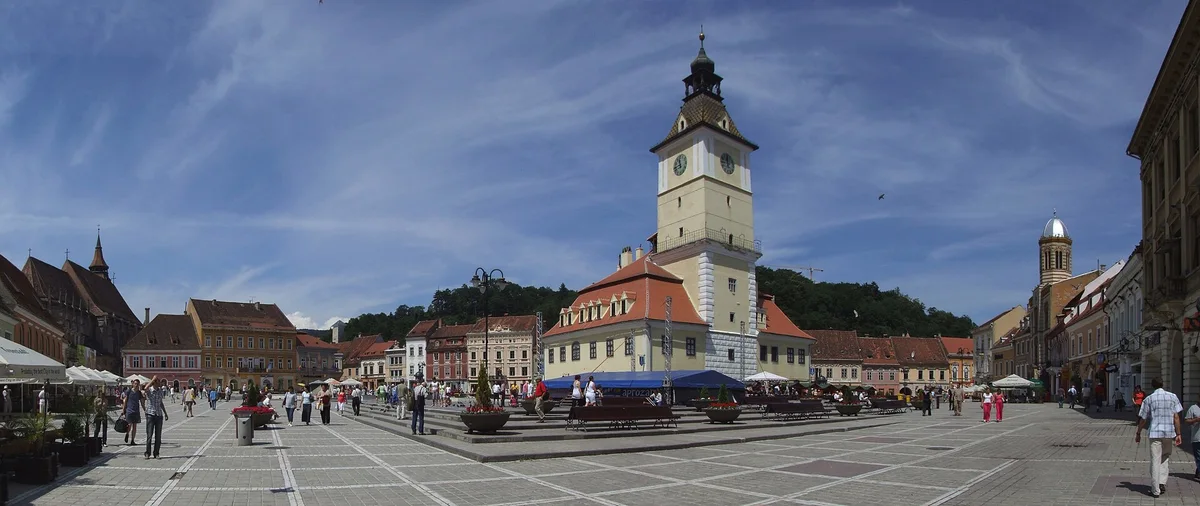
Treat airport arrival as an additional connection
A flight arrival is not the same starting point as a hotel near Bucuresti Nord. The airport-to-station movement, baggage collection and any delay sit before the onward train. Price and time those stages separately. Do not build a connection around the advertised landing time alone: the time you can actually leave the terminal depends on the arrival process and your group.
Airport car collection also has its own sequence. You need to find the agreed meeting point, complete the handover and become comfortable with the vehicle before the intercity drive. A late landing does not make the driving option automatically more flexible if the rental appointment or accommodation arrival cannot change. Ask about the supplier's procedure for delayed flights before booking.
Read the Otopeni rental pickup and return guide for that part of the plan. After a tiring flight, an overnight stop can be more sensible than trying to preserve a crowded first day. Compare the cost of the night's accommodation with the practical benefit of starting the journey rested, without presenting fatigue as something a different gearbox can solve.
Sinaia and Peles change the comparison
A direct city-to-city journey and a palace visit on the way are different products. A car allows you to carry luggage between stops and change the order within your agreed rental period, but you still need legal parking and time on foot. A train-based stop requires checking the station connection, your onward service and what you will do with luggage during the visit. Do not assume storage is available without checking it.
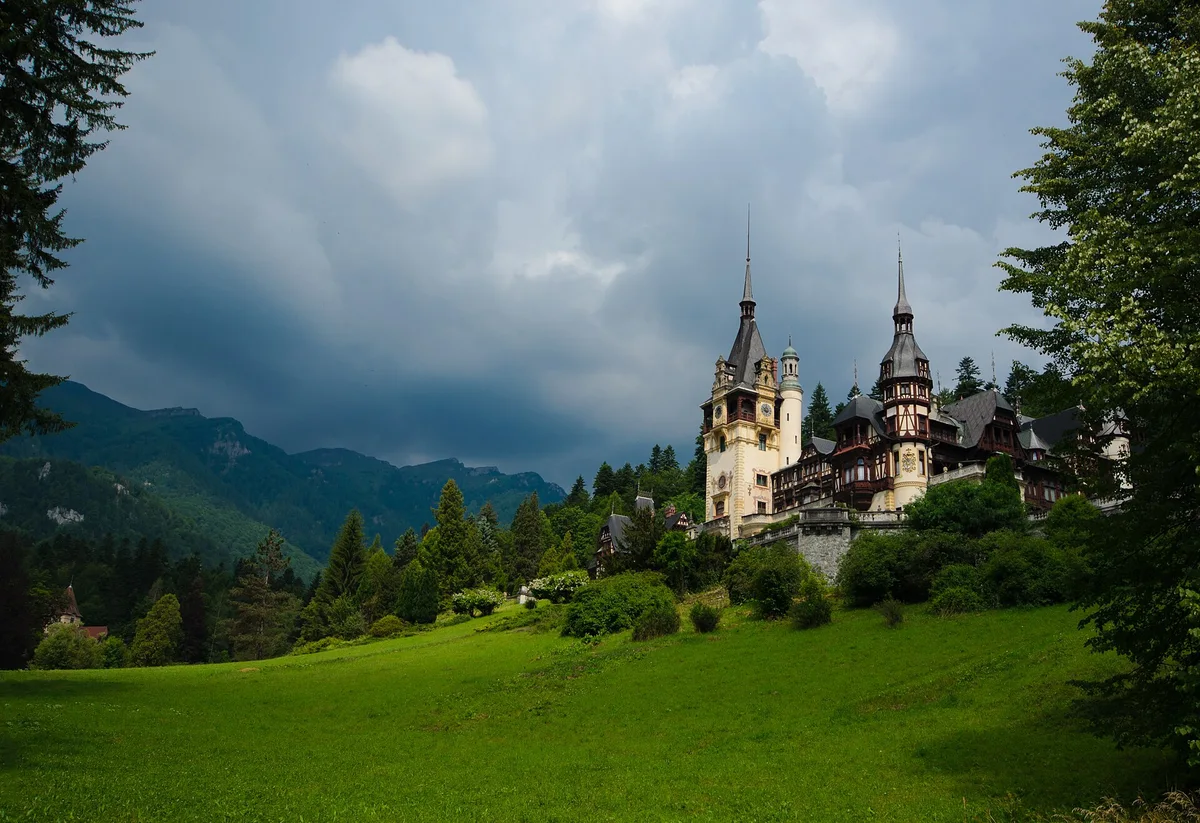
Peles should have its own visit allowance, not be squeezed into the difference between two optimistic travel estimates. Confirm the museum's opening and ticket arrangements for your date, then leave room for getting between the arrival point and entrance. The Sinaia and Peles guide explains the driving approach; it is not a promise that every museum area will be open.
For an illustrative choice, imagine a couple spending two nights in central Brasov who mainly want a relaxed evening there. A direct train may protect that aim. A group that wants a deliberately paced Sinaia stop before continuing could reasonably price a car. Neither example is a quotation or a report of an actual customer's trip; change the answer when the real schedule changes.
Build a complete group-cost worksheet
For rail, record the tickets for every traveller in both directions, any selected reservations or extras, and transport at both stations. Add a later excursion vehicle or transfer if the Brasov stay requires one. For the car, record the full rental period, agreed extras, fuel or charging, parking and any location-related fee. Ask what road-use arrangements are already supplied rather than assuming inclusion or paying twice.
Keep the security deposit outside the spend total: it is a funds-availability question with its own release procedure, not automatically a permanent journey cost. Record potential liabilities separately too. A smaller deposit does not by itself mean broader protection. Compare actual offers using the same driver, collection time, return time and equipment, then decide whether the remaining differences matter to the trip.
Divide shared car costs only after calculating the complete amount. Dividing an attractive daily rate by four while comparing it with four complete return rail tickets favours the car artificially. The reverse mistake is charging the whole rental to this one journey when the vehicle is also needed for later days. Keep a separate column for costs you would incur anyway and those created by this particular choice.
Put luggage, children and walking effort into the decision
Count bags, not just travellers. A rental category's seat count does not prove that everyone's luggage fits with those seats occupied. Ask about essential equipment and compare the actual load with the offered vehicle. On a rail journey, the same bags have to move through stations and onward transport. Avoid choosing on the assumption that another passenger will always be able to carry everything.
For travellers with limited mobility, describe the specific assistance required to the relevant provider. Station access, boarding and the route from parking to accommodation are separate questions. A rental may reduce some walking while still leaving steps at the destination. Neither the word accessible nor a central address is a complete description of the journey.
With children, consider the continuity of suitable seating across transfers as well as the car rental itself. Confirm the required equipment for the services you book. Space for a pushchair can change the vehicle choice; on a train-based itinerary it also changes the boarding workload. Give those practical needs a place in the comparison before choosing the lowest visible total.
Consider the driver's workload and destination parking
The driving option gives control over departure and stops, but one person must remain responsible for the road. That has value even when no extra payment appears in the budget. If your group expects a long visit followed by an evening out, decide in advance who will drive and how the plan stays safe. Do not treat the journey back as leftover time after every other activity.
Check the hotel's vehicle entrance, whether a space is actually reserved and what happens if the suggested parking is full. A central Brasov address can require a different car approach from the walking route. Price any parking for the whole stay, including days the car is unused. These details often matter more to convenience than a small difference in the intercity journey estimate.
For conditions on the travel day, consult current official traffic information and the forecast. A quiet-road photograph or last year's trip report cannot establish today's drive. If conditions exceed the driver's experience, change the transport plan instead of assuming that a larger rental category removes the difficulty. Review amendments with the supplier rather than leaving an agreed return uncertain.

A mixed itinerary can work, but check every handover
You do not have to choose one mode for the entire holiday. One possible plan is city time without a car followed by a confirmed rental for the road-trip days. Another is a train journey to Brasov followed by separately arranged local transport. These are planning options, not claims that a particular vehicle or collection location is available. Verify each part before cancelling an arrangement that already works.
One-way rental deserves particular attention. Collecting in Bucharest and returning elsewhere is only an option when the supplier accepts that exact place and date. The fee, handover process and available vehicles may differ from a same-location booking. An onward rail ticket does not authorise leaving the rental at a station or at another company's office.
For the final journey towards a flight, work backwards through check-in, the terminal transfer and any rental return or station connection. The safest budget is not simply the reverse of your outward trip. Allow room for the final fuel stop or a delayed service, and consider staying nearer the departure point when the connection would otherwise be tight.
Make the booking after these five decisions
Choose the main purpose of the Brasov stay, define both door-to-door journeys, verify the train or vehicle details, calculate the complete group cost and agree a workable fallback. If the answer is rail, there is no reason to rent purely because this is a car-rental website. If driving supports the itinerary, use the Bucharest car catalogue with the dates and collection location you have actually planned.
Save the confirmations for the selected transport, accommodation access and return together. Recheck time-sensitive information before departure, especially when travel dates change after booking. A useful comparison ends with a simple plan everyone understands: where to start, what happens to the bags, how to reach the accommodation and how to complete the return.
Plan a focused Targoviste day from Bucharest with winter museum hours, the official parking recommendation and a realistic return. See the Bucharest to Targoviste by Car: Princely Court and Parking.